

On March 16, 2025, at the GTC conference in San Jose, California, NVIDIA officially launched DLSS 5. As NVIDIA’s most significant breakthrough in computer graphics since the debut of real-time ray tracing in 2018, the technology will be released this fall. It introduces a real-time neural network rendering model that endows game pixels with photorealistic lighting and material effects, making rendered images closer to real-world visual experiences.
https://www.perfectdisplay.com/27-fast-ips-fhd-240hz-gaming-monitor-product/
https://www.perfectdisplay.com/27-ips-qhd-280hz-gaming-monitor-2-product/
https://www.perfectdisplay.com/27-ips-qhd-280hz-gaming-monitor-product/
Jensen Huang, founder and CEO of NVIDIA, stated that 25 years after NVIDIA invented programmable shaders, the team is redefining computer graphics technology. He emphasized that DLSS 5 ushers in a “GPT moment” for graphics, combining traditional manually tuned rendering with generative AI. This not only allows developers to retain control over artistic expression but also drastically improves the visual realism of game graphics.

Since the launch of the GeForce series of graphics cards, NVIDIA has empowered game developers to create lifelike virtual worlds with powerful graphics computing power, ensuring that in-game lighting, reflections and shadows conform to the physical laws of the real world.
From programmable shaders featured on the GeForce 3 in 2001, CUDA on the GeForce 8800 GTX in 2006, real-time ray tracing on the GeForce RTX 2080 Ti in 2018, to path tracing and neural shaders supported by the GeForce RTX 5090 D in 2025, NVIDIA has achieved a 375,000-fold increase in computing power through a series of architectural innovations, continuously overcoming various challenges in graphics rendering.

However, game graphics rendering is subject to strict time constraints. A single game frame must be rendered in just 16 milliseconds, with far less computing power allocated than Hollywood photorealistic visual effects—for which a single frame often takes minutes or even hours to render. Simply boosting computing power can hardly make real-time game rendering achieve photorealistic effects.
DLSS technology was first introduced in 2018, initially using AI super-resolution to improve image resolution, and later enabling full frame generation. Today it supports more than 750 games and has become an industry mainstream standard. DLSS 4.5, unveiled at CES this year, generates 23 out of every 24 on-screen pixels via AI. DLSS 5 no longer focuses solely on performance improvement, but has become a core technology for comprehensively optimizing the photorealism of game graphics. Its built-in real-time neural network rendering model delivers a qualitative leap in visual quality.


While video AI models on the market can quickly generate photorealistic pixels, most only run offline. They are not only difficult to control precisely but also produce unpredictable results, with outputs changing with different prompts. In contrast, pixels for game rendering require deterministic, real-time generation that aligns with the 3D game world and artistic design built by developers—this is the core requirement of game AI rendering.
DLSS 5 solves these problems precisely. Taking the color and motion vectors of each game frame as input, it relies on AI models to add photorealistic lighting and material effects to game scenes based on the original 3D content, while ensuring consistent visual effects between frames. The technology runs in real time at 4K maximum resolution, delivering a smooth and interactive gaming experience.
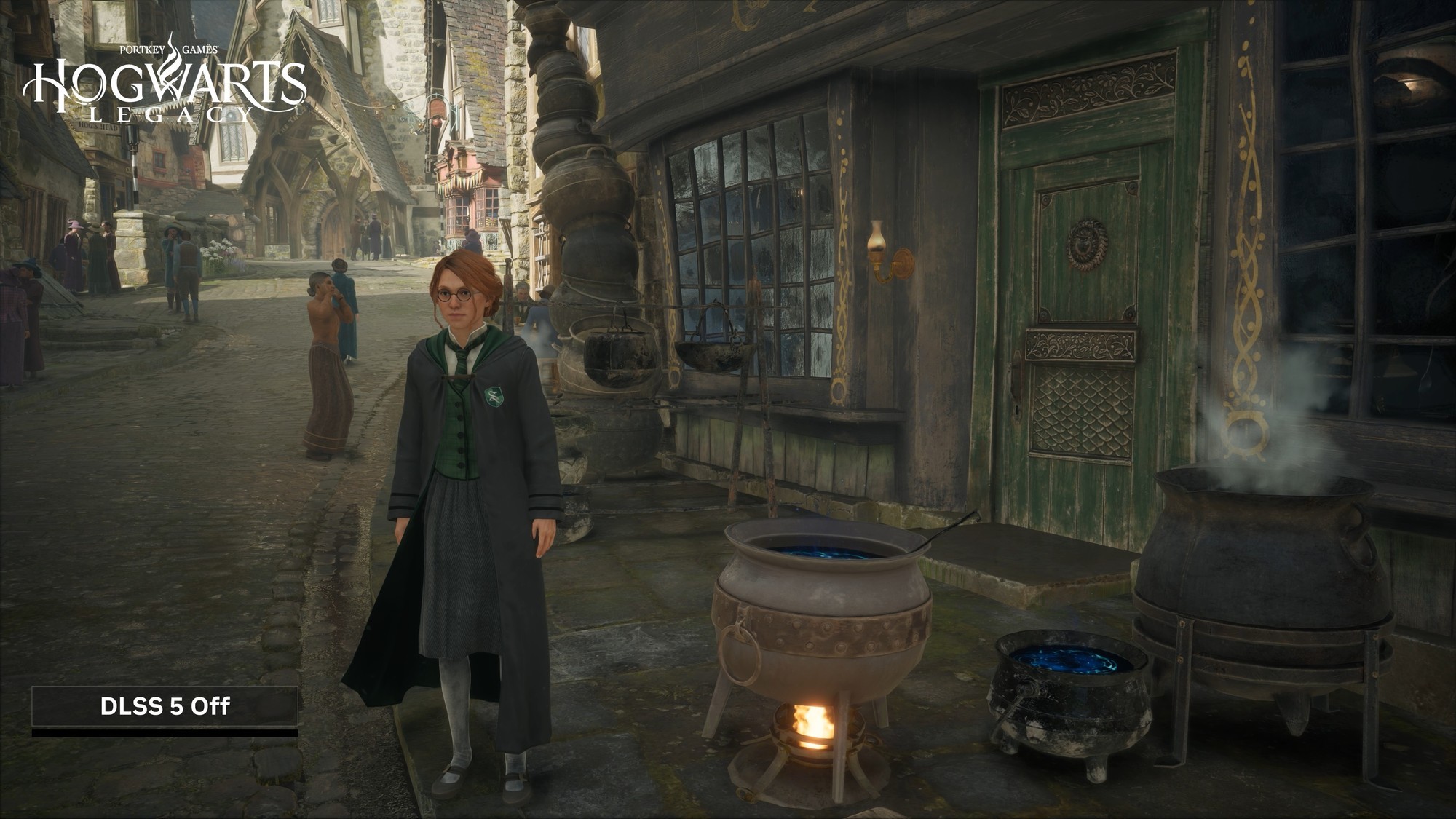
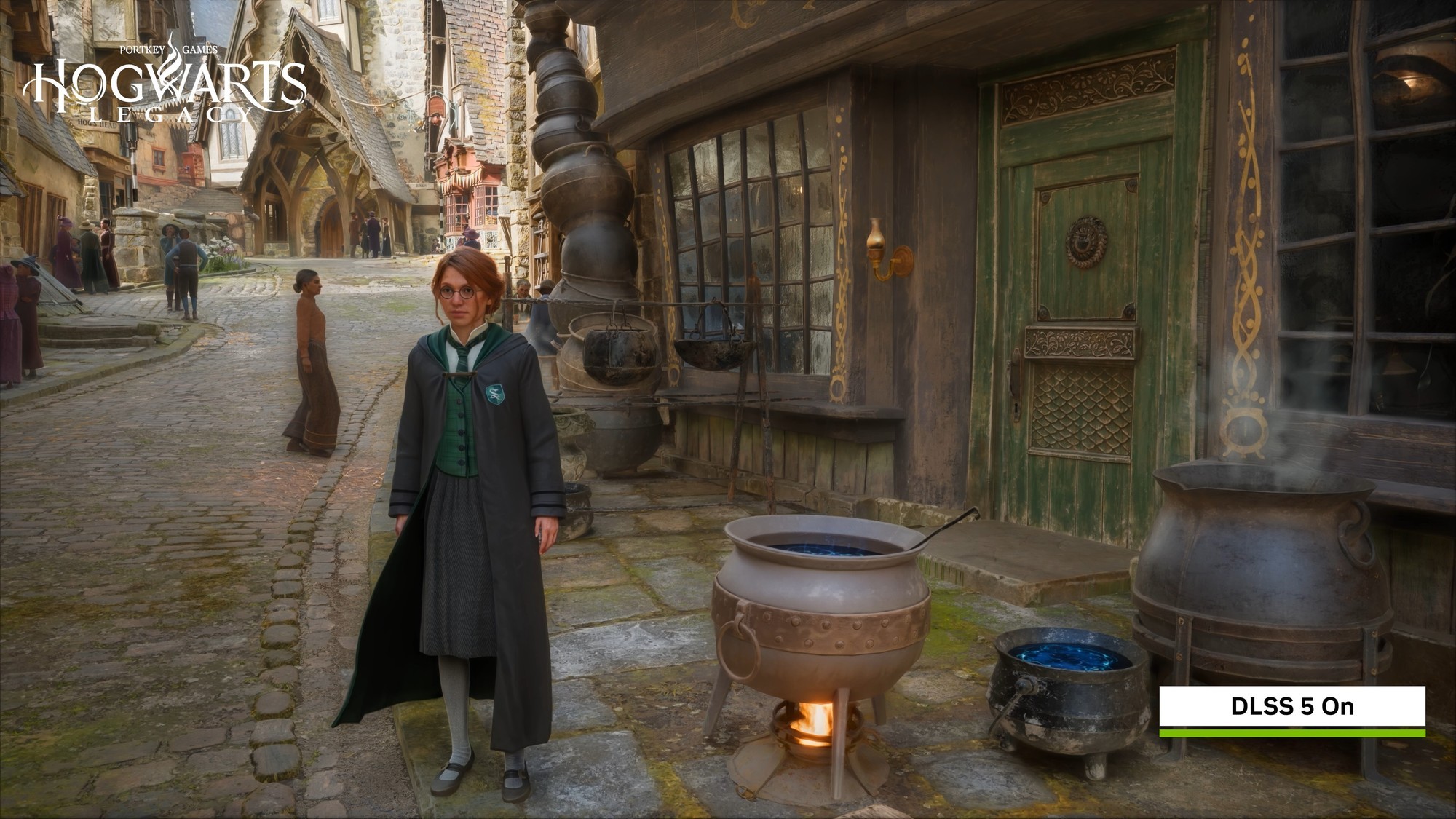
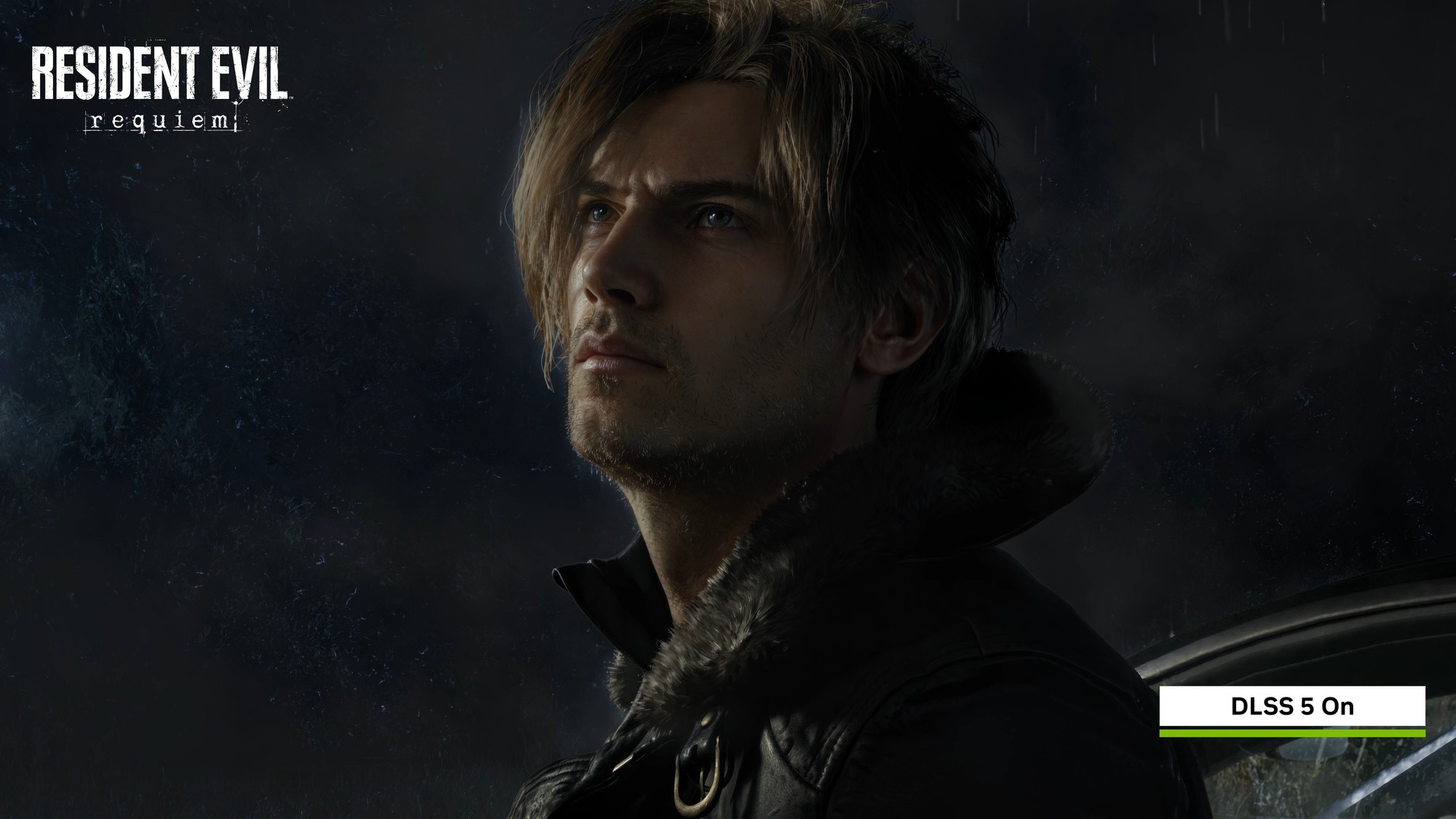
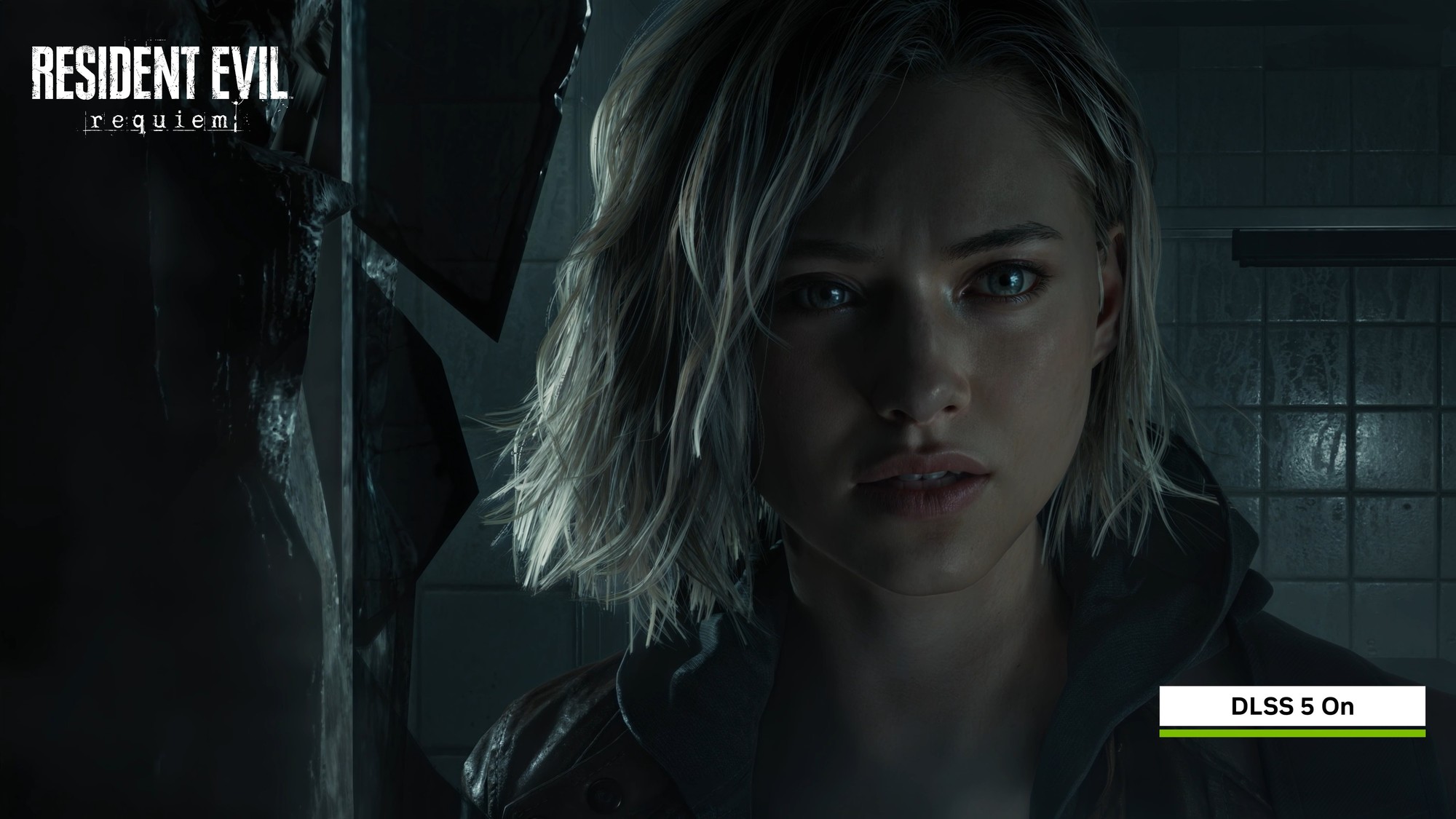
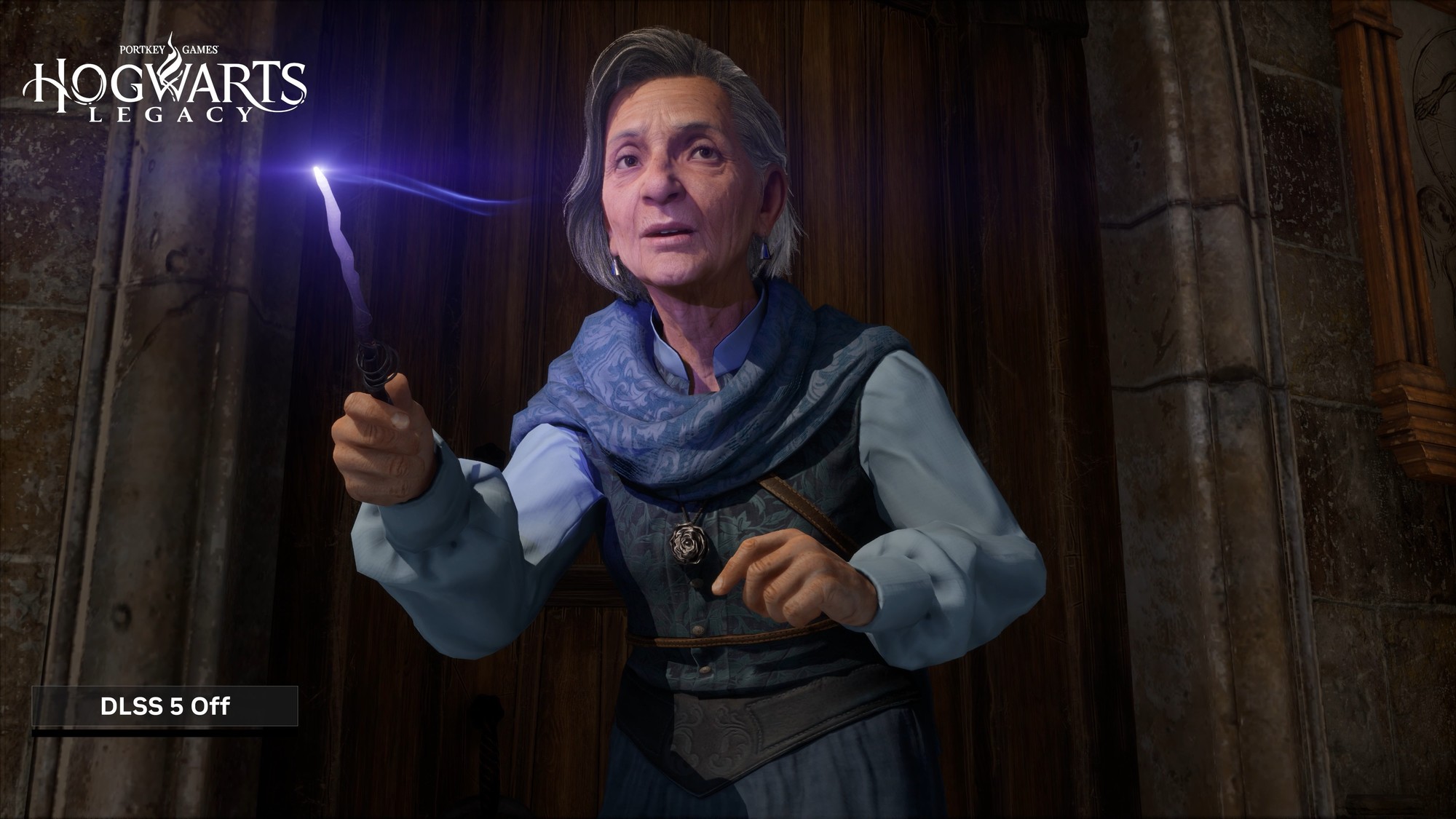
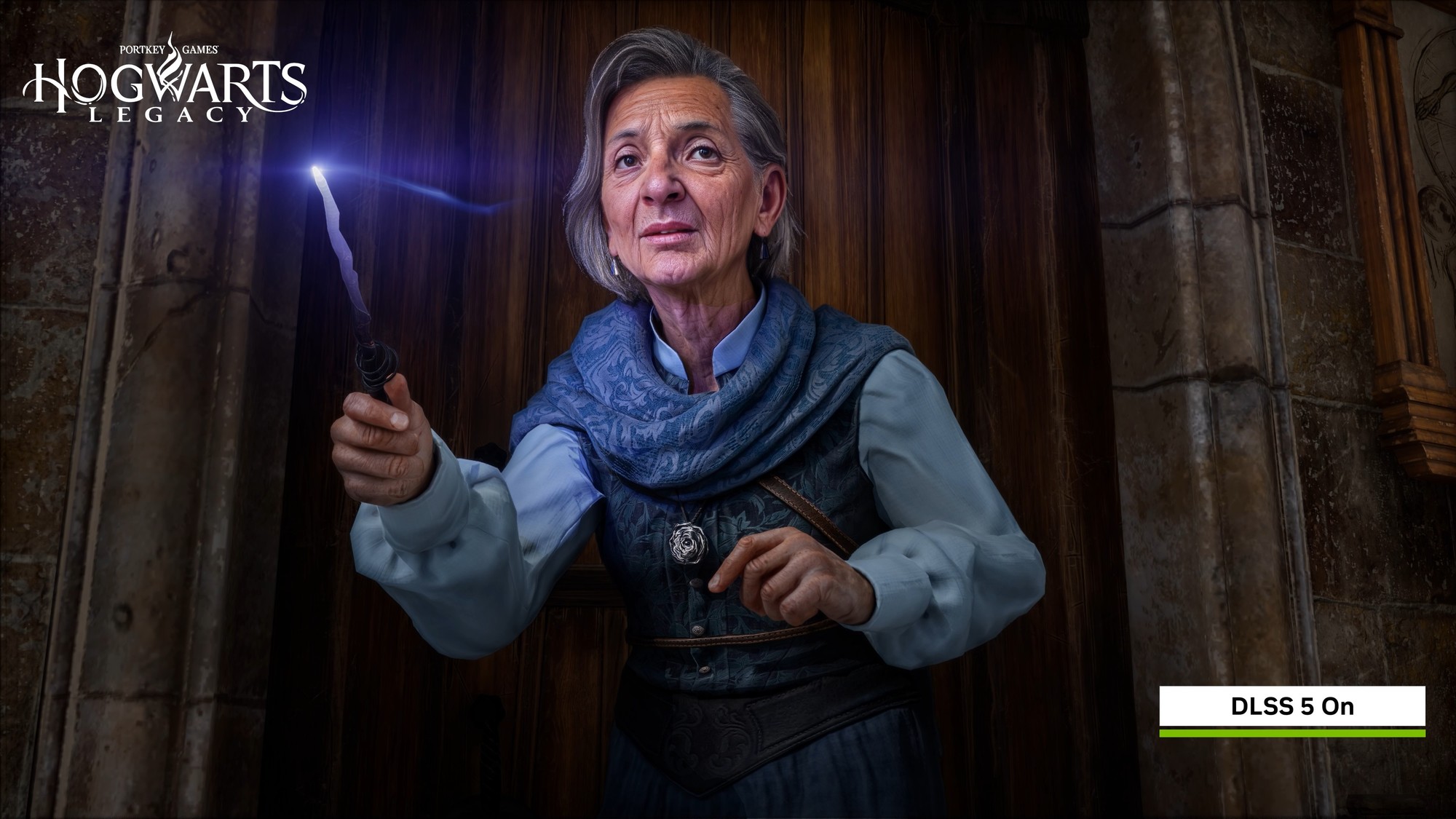
Trained end-to-end, the AI model of DLSS 5 can analyze single frames to understand the semantics of complex scenes such as character hair, cloth and translucent skin, and recognize different ambient lighting conditions including front light, backlight and overcast skies. Based on this understanding, it generates visually accurate images, properly handling details such as subsurface scattering of skin, delicate luster of cloth, and light-material interaction of hair, while preserving the structure and semantics of the original game scenes.
In addition, DLSS 5 provides game developers with fine-grained control over light intensity, color grading and masking. Art teams can precisely determine where and how to apply image enhancement effects, preserving the unique art style of each game. In terms of technical integration, DLSS 5 seamlessly integrates into the NVIDIA Streamline framework used by existing DLSS and NVIDIA Reflex technologies, reducing developers’ adaptation costs.


DLSS 5 has won the support of many top game publishers and developers in the industry, including Bethesda, CAPCOM, Perfect World’s Tower of Fantasy Studio, NetEase, NCSOFT, S-Game, Tencent, Ubisoft and Warner Bros. Games, all of which will integrate the technology into their titles. Notably, with the booming development of domestic games, nearly half of the launch titles supporting DLSS 5 come from China, demonstrating the strong strength of China’s game industry.
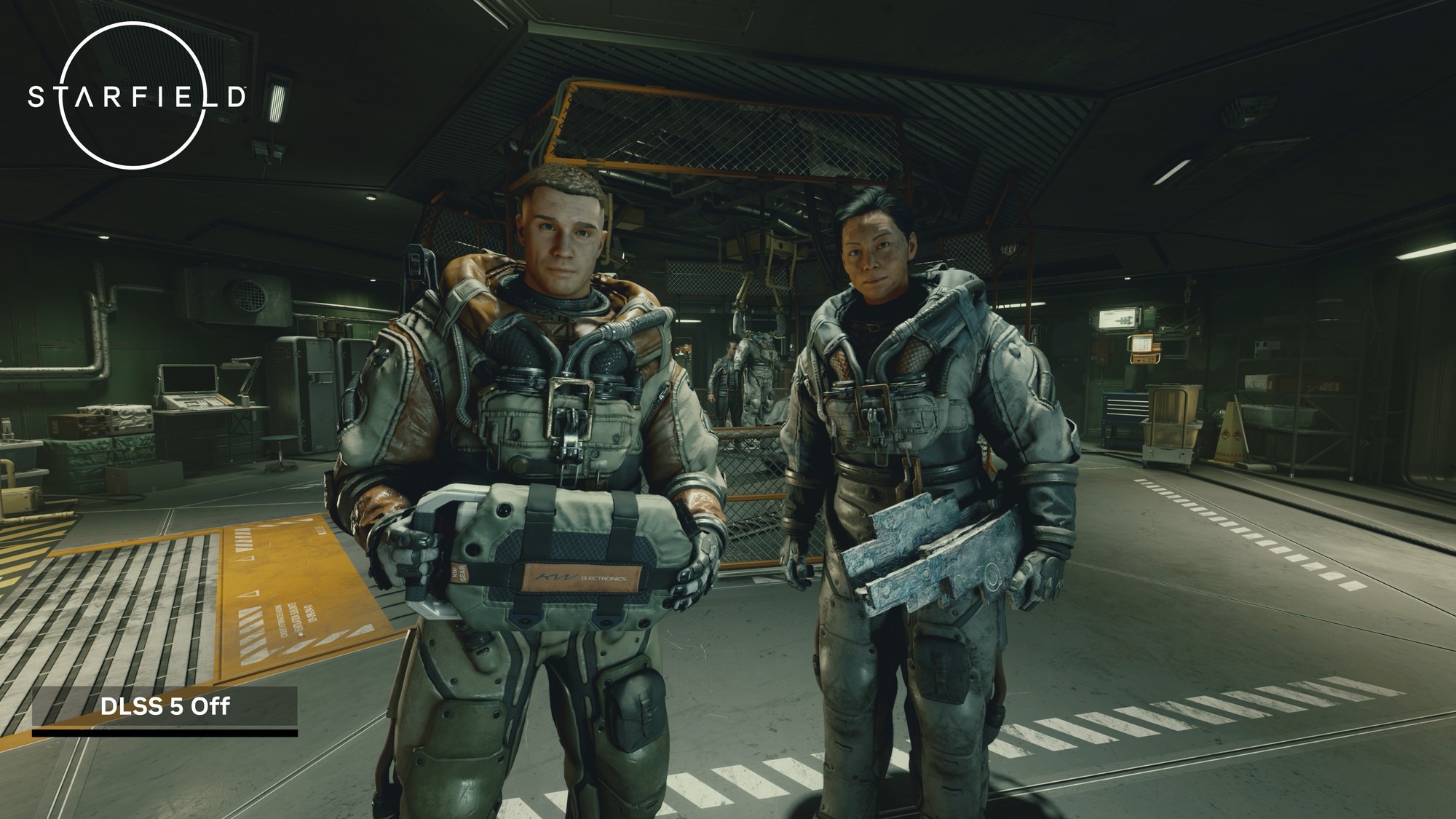
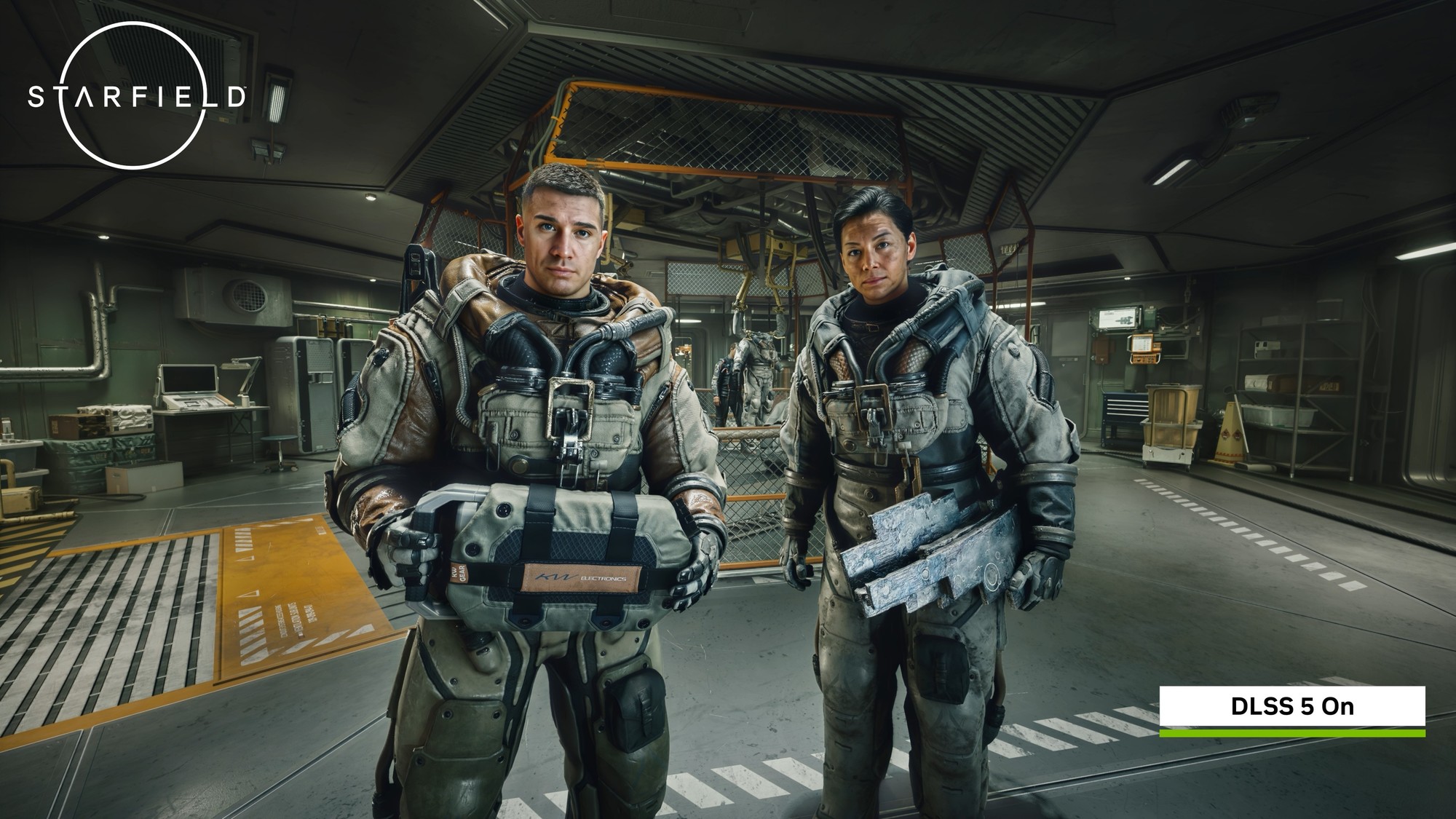
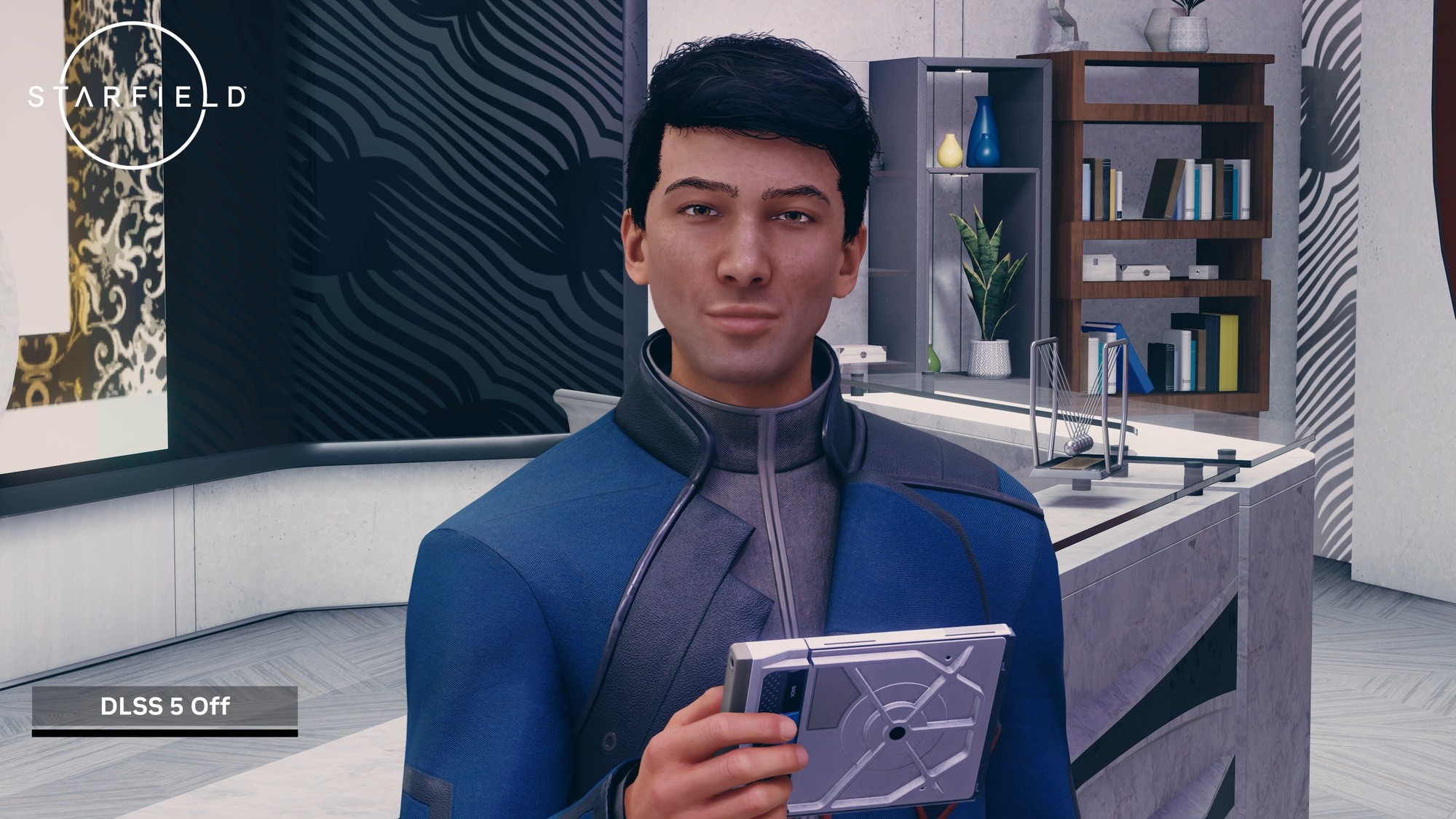
Todd Howard, Head and Executive Producer of Bethesda Game Studios, said that Bethesda has cooperated with NVIDIA to advance graphics technology since the water effects in The Elder Scrolls III: Morrowind. The performance of DLSS 5 tested in Starfield is stunning, and the team is looking forward to players experiencing the changes brought by the technology.


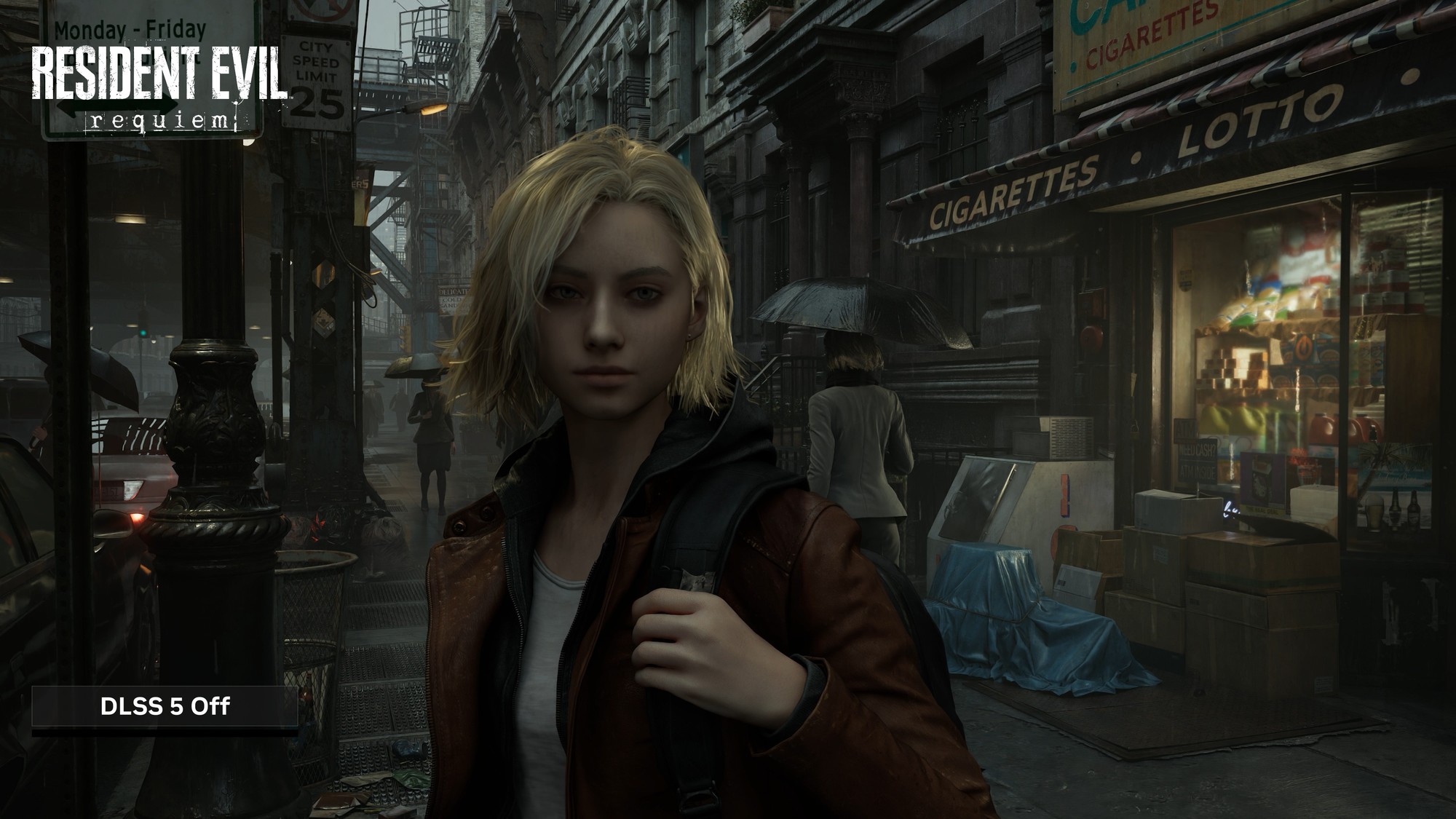
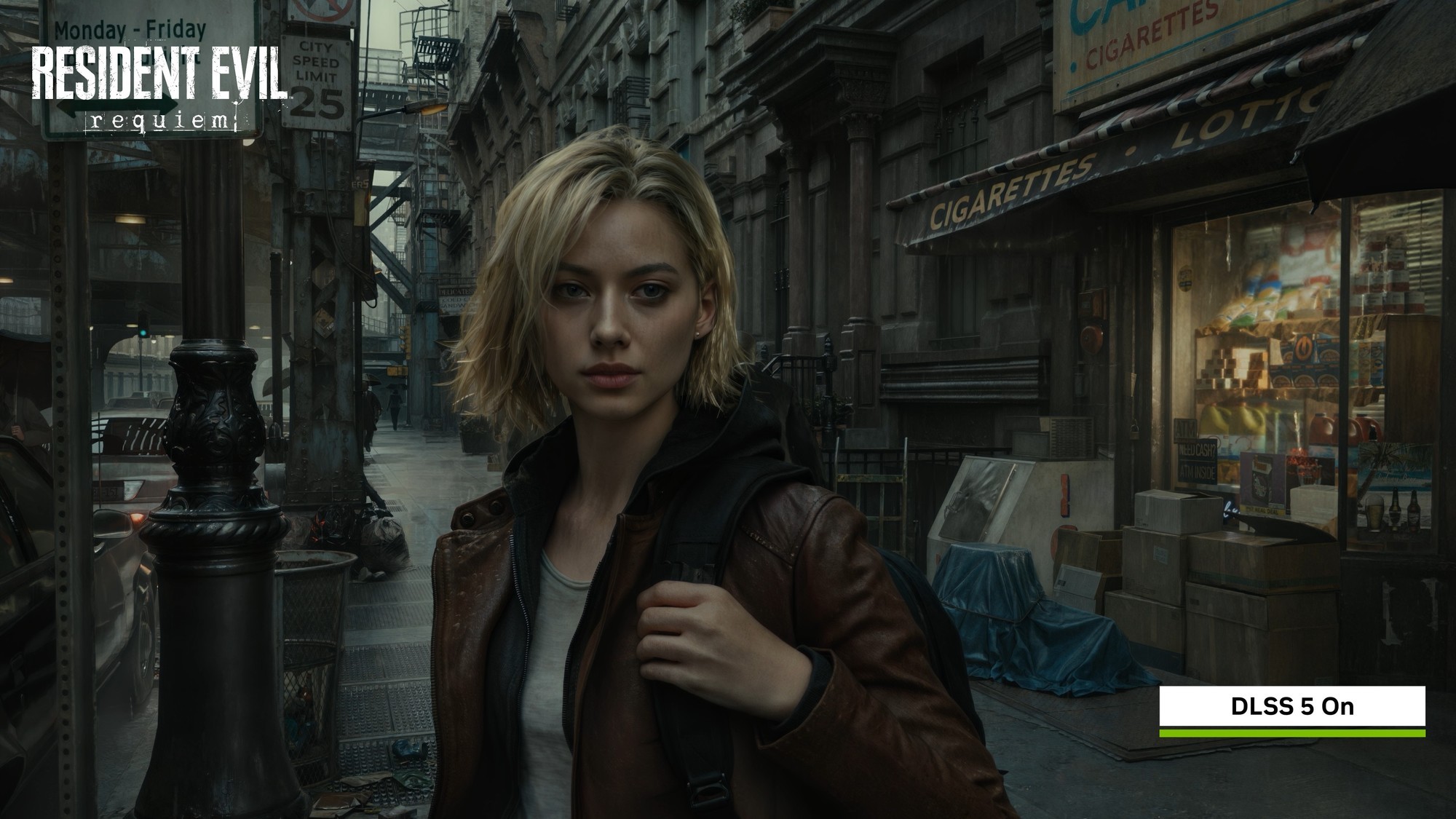
Jun Takeuchi, Executive Producer and Managing Executive Officer of CAPCOM, stated that CAPCOM has long been committed to creating cinematic and realistic gaming experiences, with carefully designed shadows, materials and lighting in scenes. DLSS 5 marks a milestone in enhancing photorealism, allowing players to gain stronger immersion in the Resident Evil series.
Charlie Guillemot, Co-CEO of Vantage Studios, believes that the key to game immersion is making players feel the game world is real. The performance of DLSS 5 in lighting, materials and character presentation enables developers to create game worlds that previously only existed in imagination. For example, Assassin’s Creed: Shadows is optimizing its graphics with this technology.
A number of popular games confirmed to support DLSS 5 include Aion 2, Assassin’s Creed: Shadows, Black State, CINDER CITY, Delta Force, Hogwarts Legacy, Justice Online, Naraka: Bladepoint, Othercide, Blade of Shadow: Zero, Resident Evil: Requiem, The Forgotten Sea, Starfield, The Elder Scrolls IV: Oblivion Remastered and Yan Yun Shi Liu Sheng, among which many domestic games are included, confirming the booming momentum of China’s game industry.
As a global leader in accelerated computing, NVIDIA’s launch of DLSS 5 represents another exploration in the integration of graphics technology and AI. With the official release of the technology this fall, players will experience even more realistic game graphics.
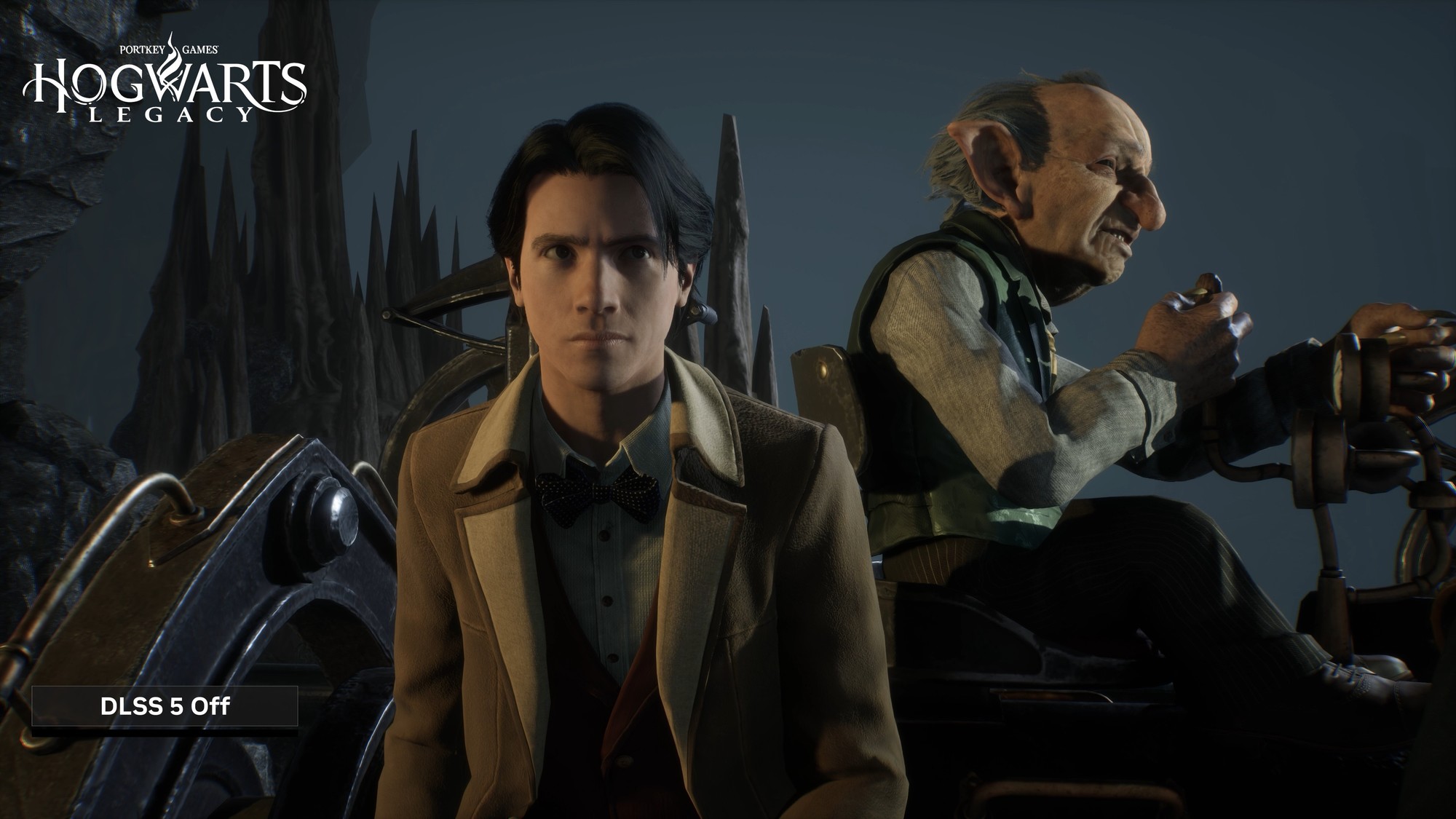
For more DLSS 5 comparison results:














Post time: Mar-18-2026